
Are you concerned about your child’s eye health but unsure what signs to watch for? Spotting early vision problems in children can make a crucial difference in their learning and daily life. In this post, you’ll discover practical tips to identify subtle changes—like frequent squinting, eye rubbing, or difficulty focusing—that may indicate the need for a pediatric eye exam. By recognizing these early warning signs and taking proactive steps, you can help protect your child’s vision and ensure they thrive both in and out of the classroom.
-
How to Spot Early Signs of Vision Problems in Children

-
How to Choose the Right Eye Exam for Every Family Member

Choosing the right eye exam for each family member is essential to maintaining long-term vision health and comfort. With family eye exams tailored to every age group, you can ensure that your loved ones receive the comprehensive eye care they need, from early childhood through adulthood. This post guides you through what to expect at every stage, helping you understand how regular, evidence-based eye exams support clear sight and overall well-being. Discover how proactive care can make a difference in protecting your family’s vision for years to come.
-
COVID-19 and eyesight: Myopia on the rise during lockdown
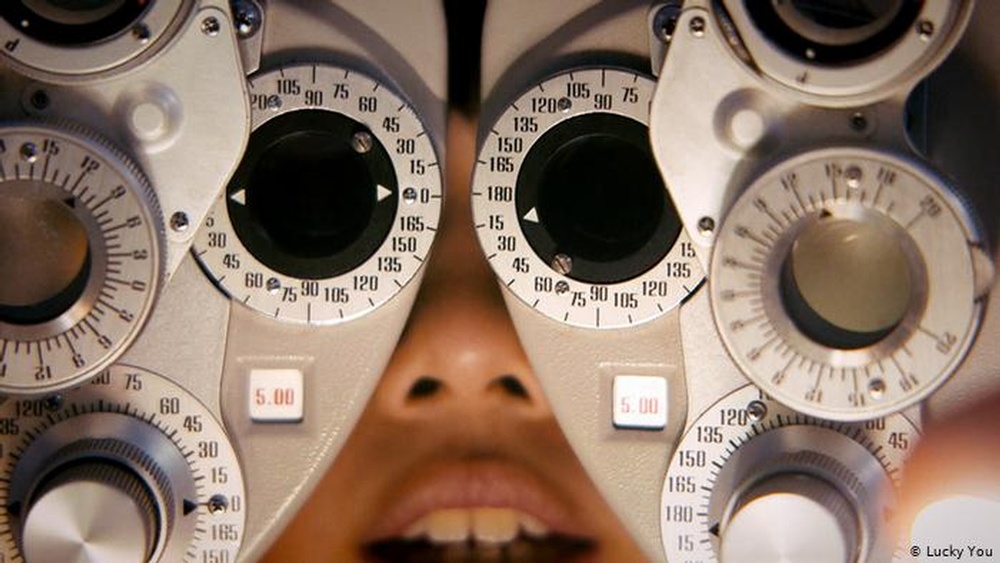
Due to coronavirus lockdowns, less time outdoors and more time on screens is leading to significantly more people suffering from myopia, especially children.
-
Five Tips To Help You Maintain Good Eye Health
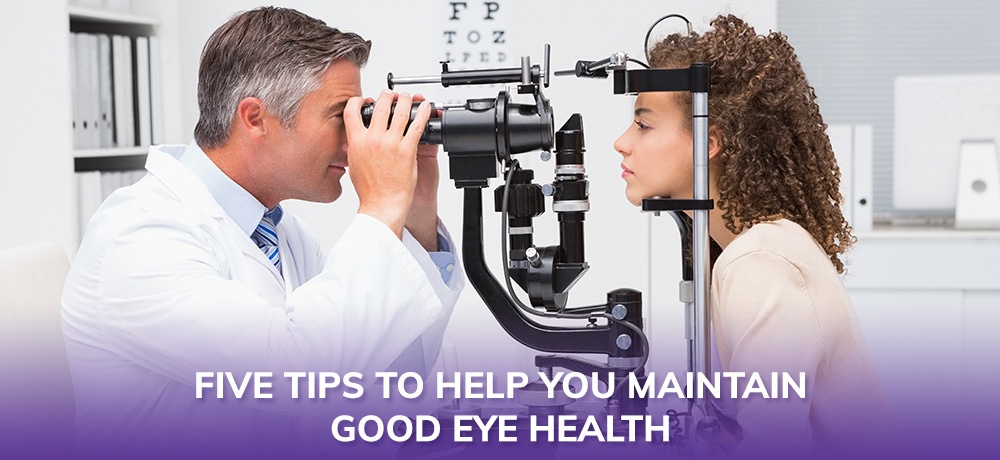
We rely on our vision to help us read, identify objects, and perceive other people’s behavior. However, as we age, our eyesight usually declines, and could eventually lead to blindness if symptoms get neglected.
-
Common Mistakes Patients Make Regarding Their Eye Health
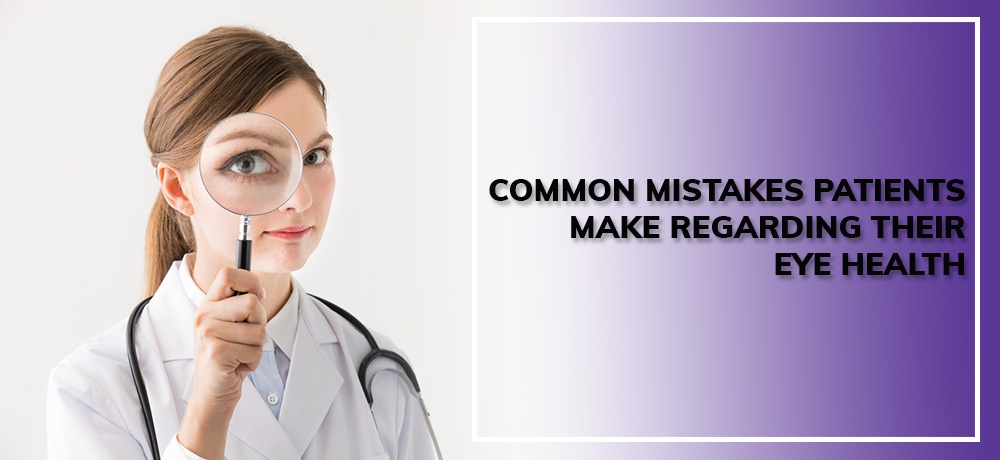
Vision is the most important of the five senses, as eighty percent of what we perceive comes through our sense of sight. Unfortunately, good eyesight is something most of us take for granted. To stay on top of your eye health, you need to look after your eyes. To avoid or reduce vision problems, it’s essential to keep your eyelids, eyelashes, eyebrows, and eyewear clean, wear protective eyewear when needed, fulfill your nutritional needs, and make regular visits to your ophthalmologist.
-
A Glossary of Eye Conditions

Every industry has its own language and terms. These words and phrases can be confusing to anyone who is not part of the daily operations of a specific industry, and the optometry field is no exception.
-
Myopia Control Therapy
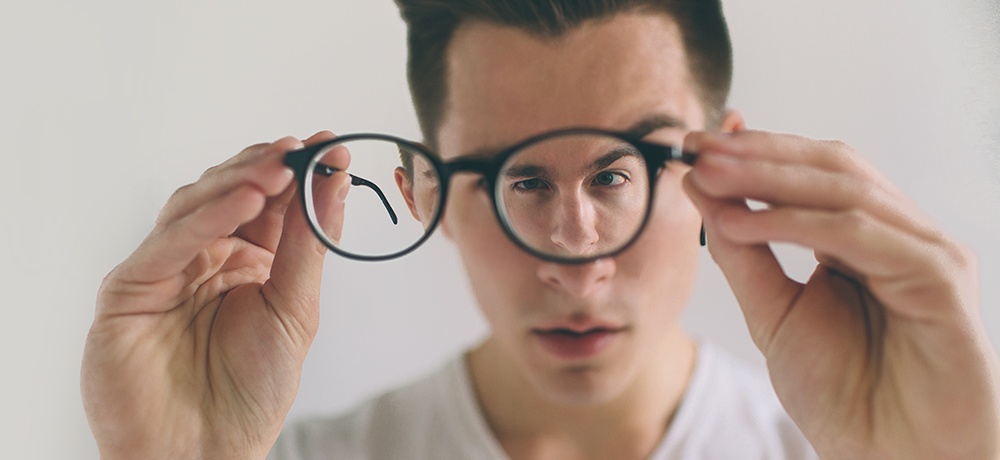
Myopia is the inability to see far away objects clearly, commonly referred to as nearsightedness. This condition typically develops during early childhood and often is progressive, more rapidly in the pre-teen years. Recent studies provide evidence that myopia increase when the images in the peripheral retina are focused behind the eye (hyperopic defocus). As the eye grows, it lengthens in attempt to bring the hyperopic defocus on to the peripheral retina. This increase in length will lead to an increase in myopia. High myopia in turn increases the risk of eye diseases such as cataract, glaucoma, retinal detachment and myopic degeneration--all of which can cause irreversible vision loss.
-
Announcing The New Website
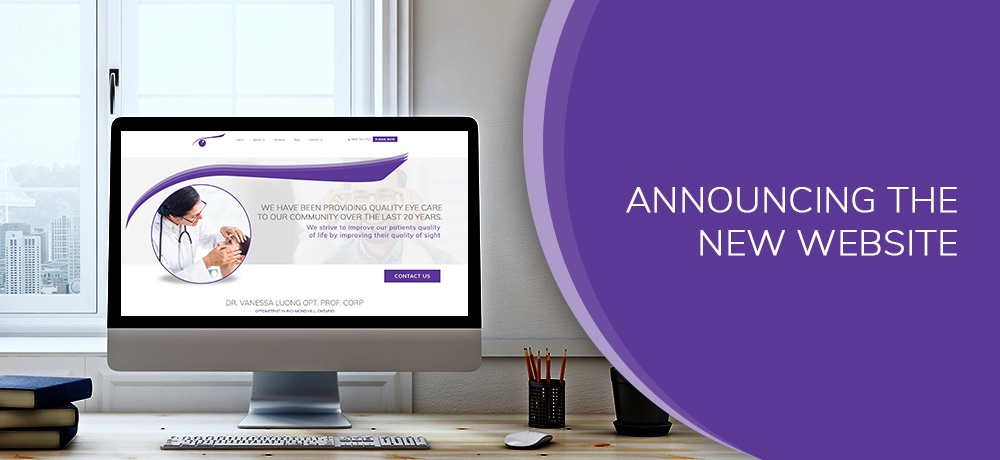
We are delighted to announce the launch of our new website!
Our new website provides our existing and prospective clients a simple yet interactive view of our work and the services we offer.
-
New Website Under Construction
New Website Coming Soon!
We are currently revamping our website. Our new website will be interactive and mobile friendly!

